Documenting the Endangered Reed Architecture of the Iraqi Marshes
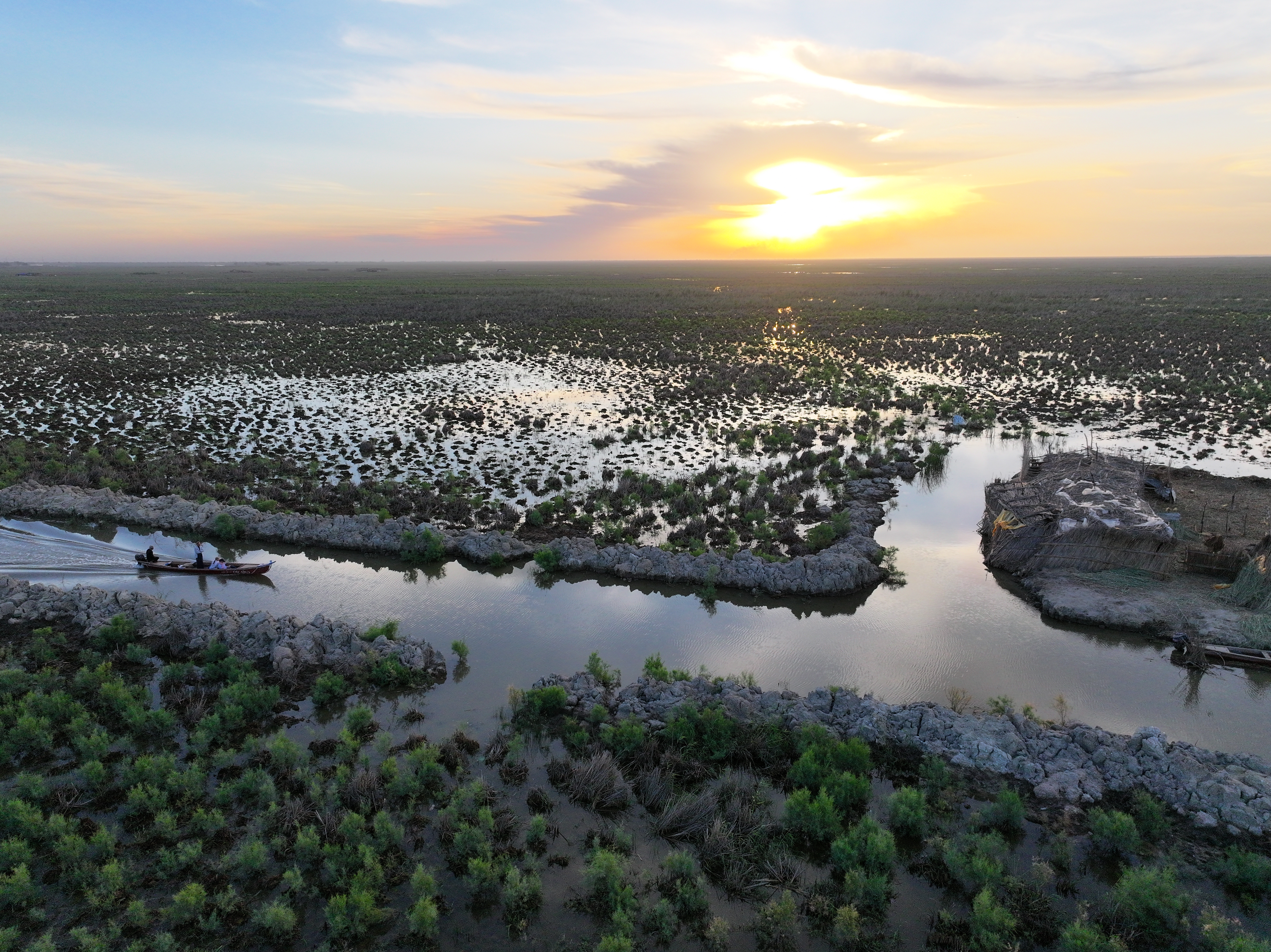
The Iraqi marshes are the largest wetland in the Middle East, listed by UNESCO as a world heritage site for their rich culture and unique environmental value. The practice of building with marsh reeds in Iraq is one of the oldest documented architectural traditions in the world, with depictions of arched reed structures in the region reaching back over 4,000 years to the Mesopotamian Bronze Age.
This tradition is now continued by the Marsh Arabs, also known as the Ma’dan or Ahwari. Marsh Arab culture has already survived one existential threat during the 1980s and 1990s when the marshes were drained by Saddam Hussein’s Baathist government and the Marsh Arabs were driven out of their villages. Now the culture of the Iraqi marshes is again under threat, this time from climate change and the over extraction of water from the Tigris and Euphrates rivers which feed the marshes. Drought is forcing the abandonment of traditional settlements and even threatening the future of the reed beds which supply the materials for building both houses and the tribal halls, mudhifs, which are so central to Marsh Arab culture.
About the project
The project is funded and supported by the Endangered Wooden Architecture Programme (EWAP). In line with the aims of EWAP, the goal of the project is to build an archive of material documenting the threatened reed building tradition of the marshes. Our local partner for the project was the ecological NGO Nature Iraq, and the project would not have been possible without the collaboration of the director of Nature Iraqi’s Chibayish office, Jassim al-Asadi, who acted as co-Investigator.
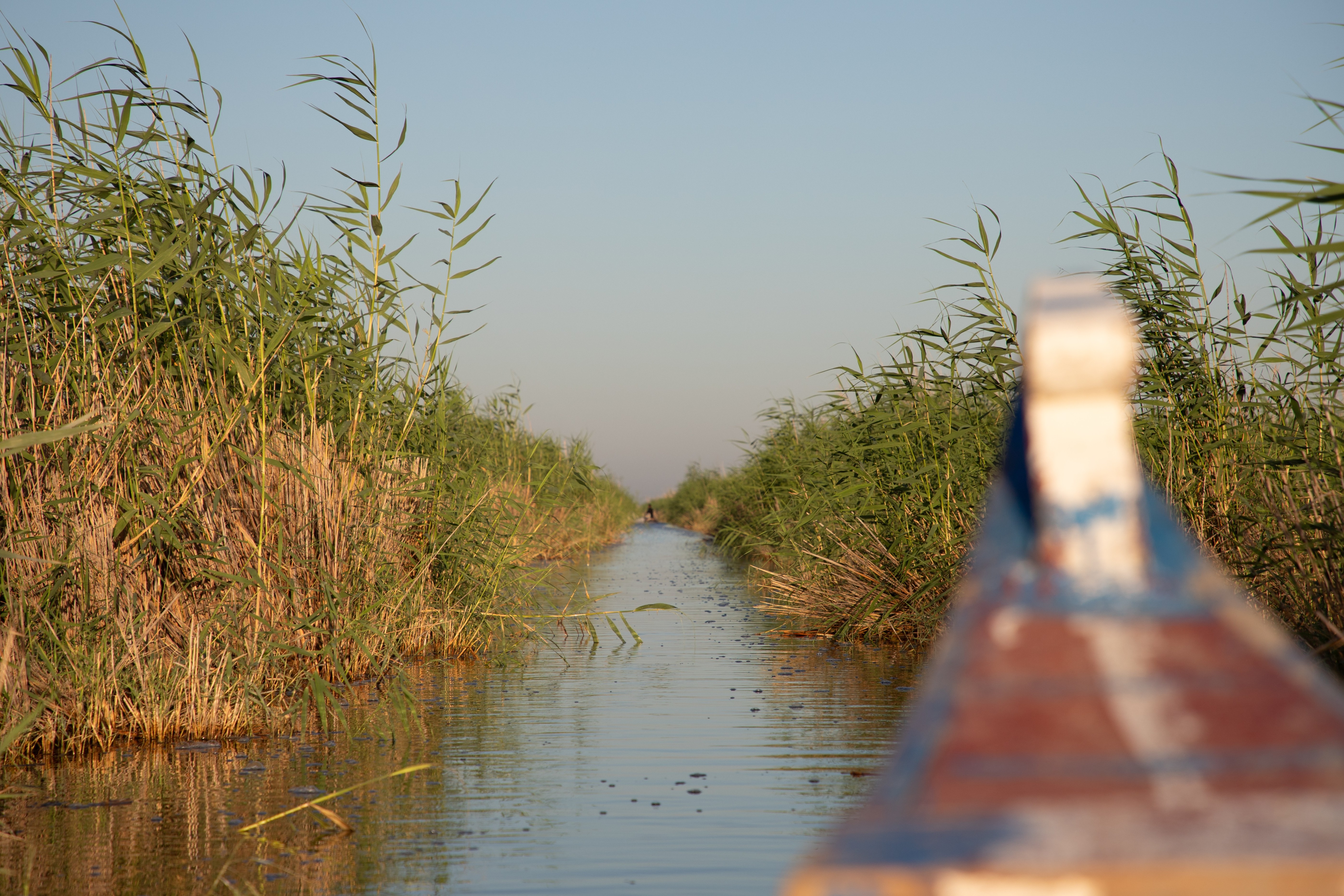
Documentation covered a wide range of skilled activities related to reed construction, from selecting and cutting reeds in the marshes, to weaving the roofing mats and crafting the latticework side panels, and recording the process of construction itself.
Documentation was done in a range of media:
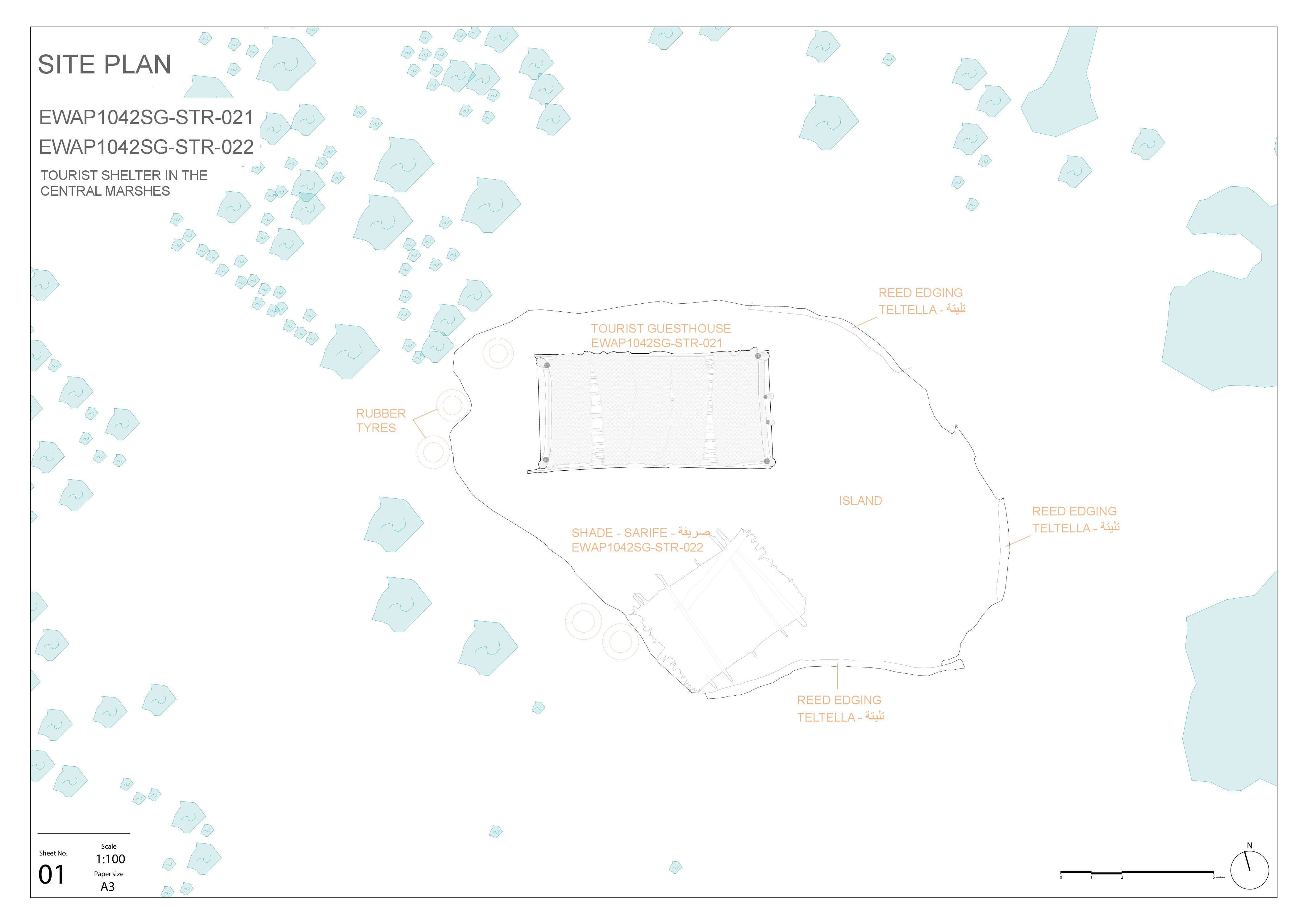
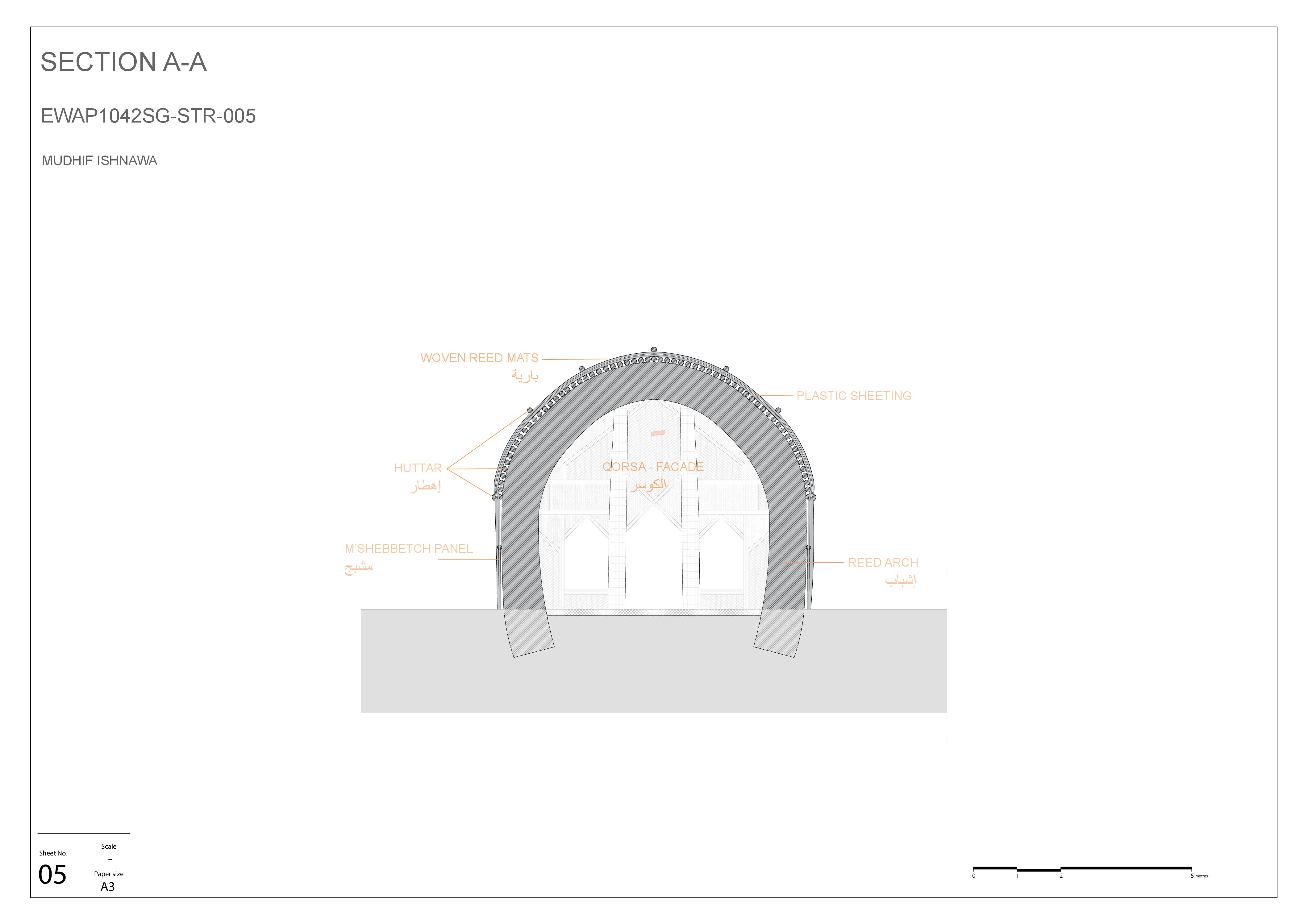
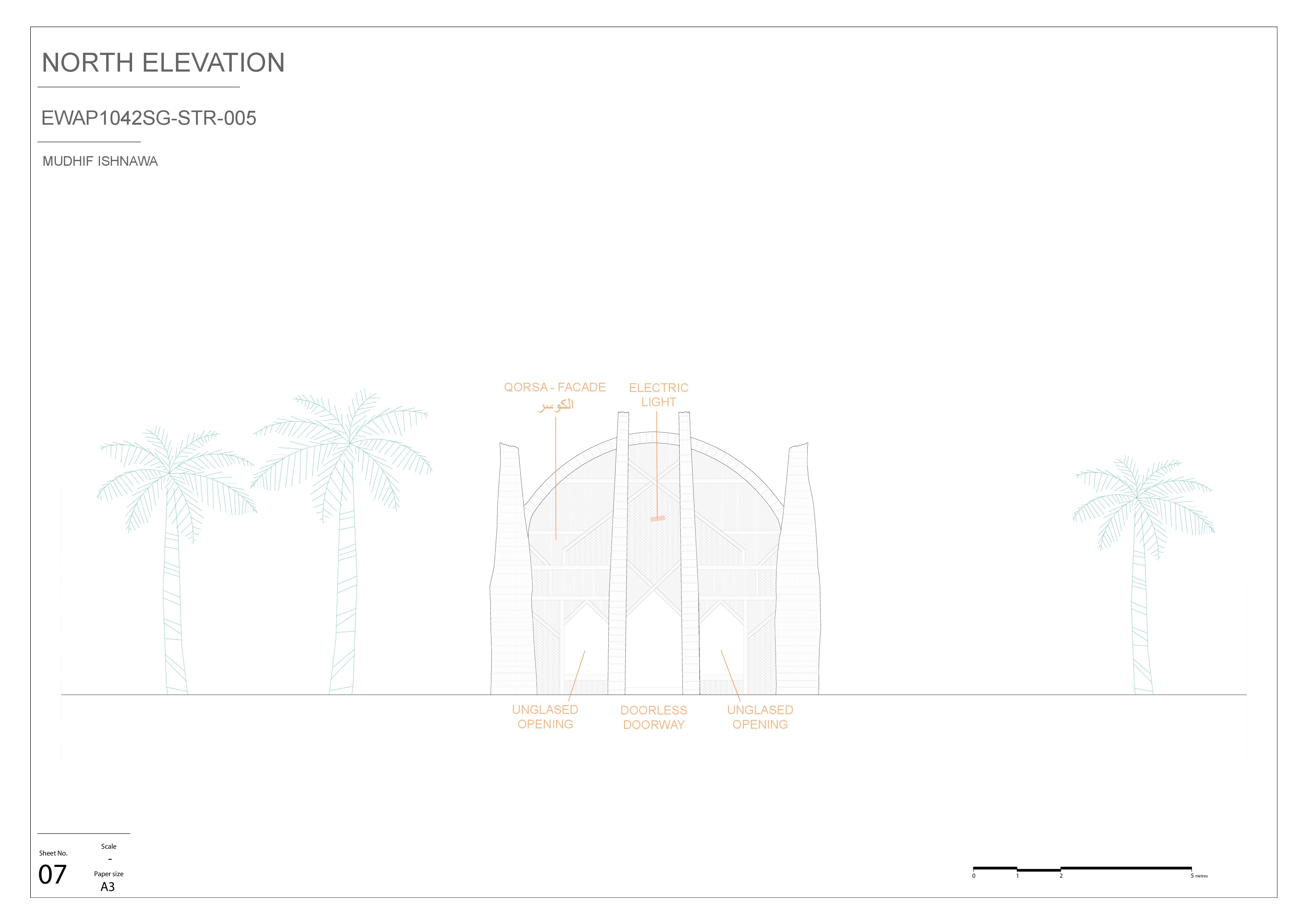

- Architectural plans and drawings
- Photographic records of buildings and activities
- Videos of craft techniques and practices
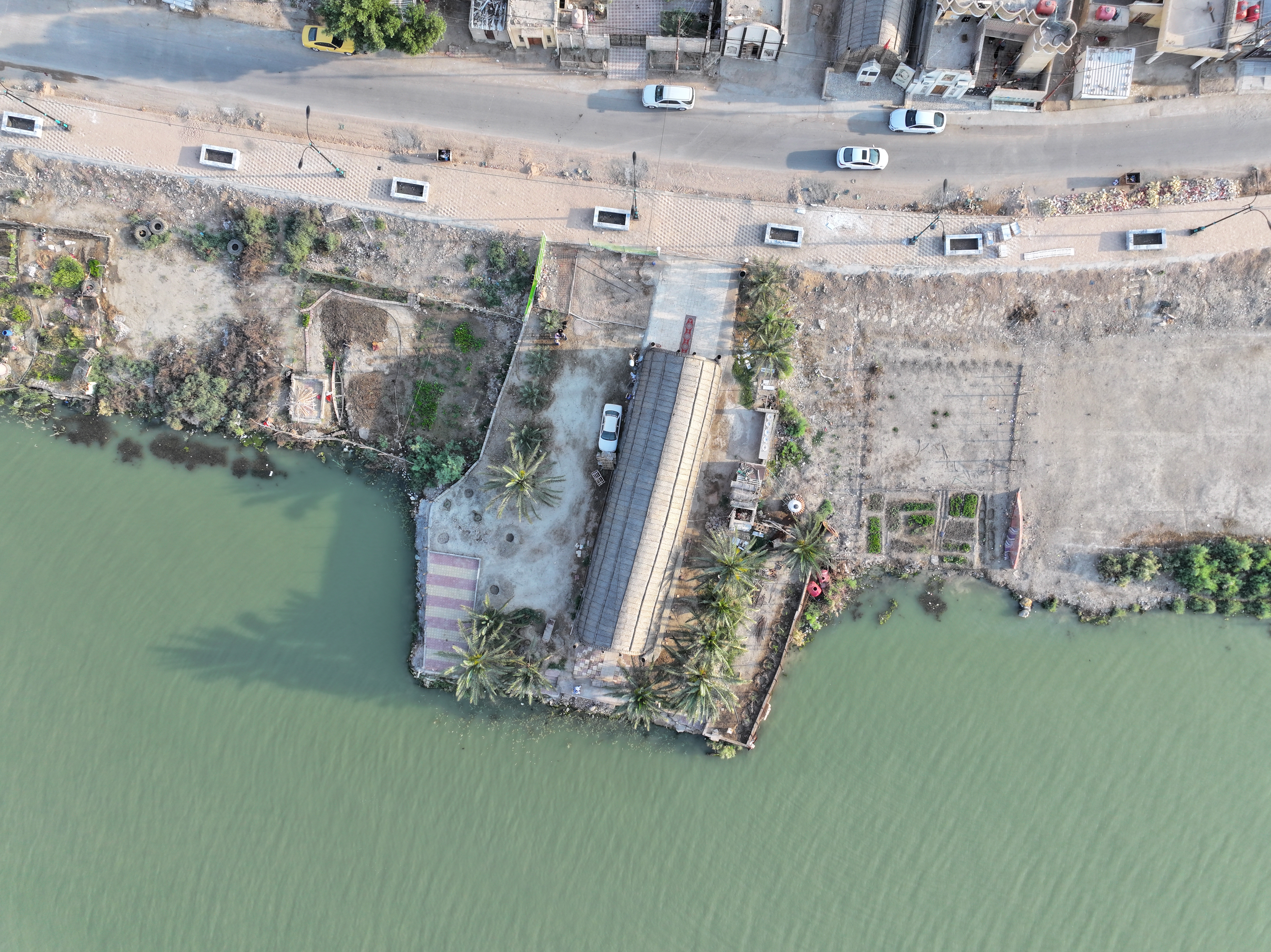
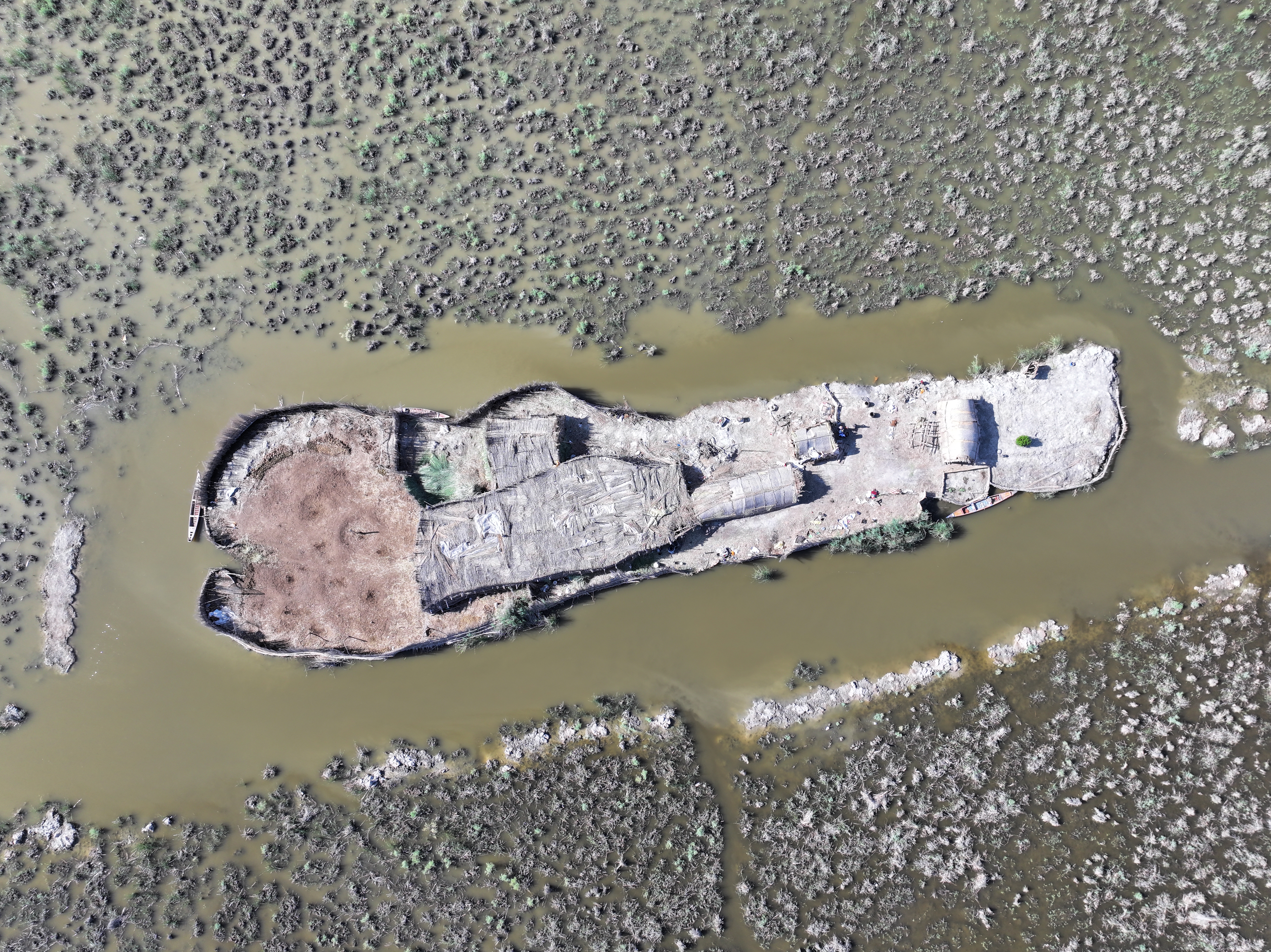
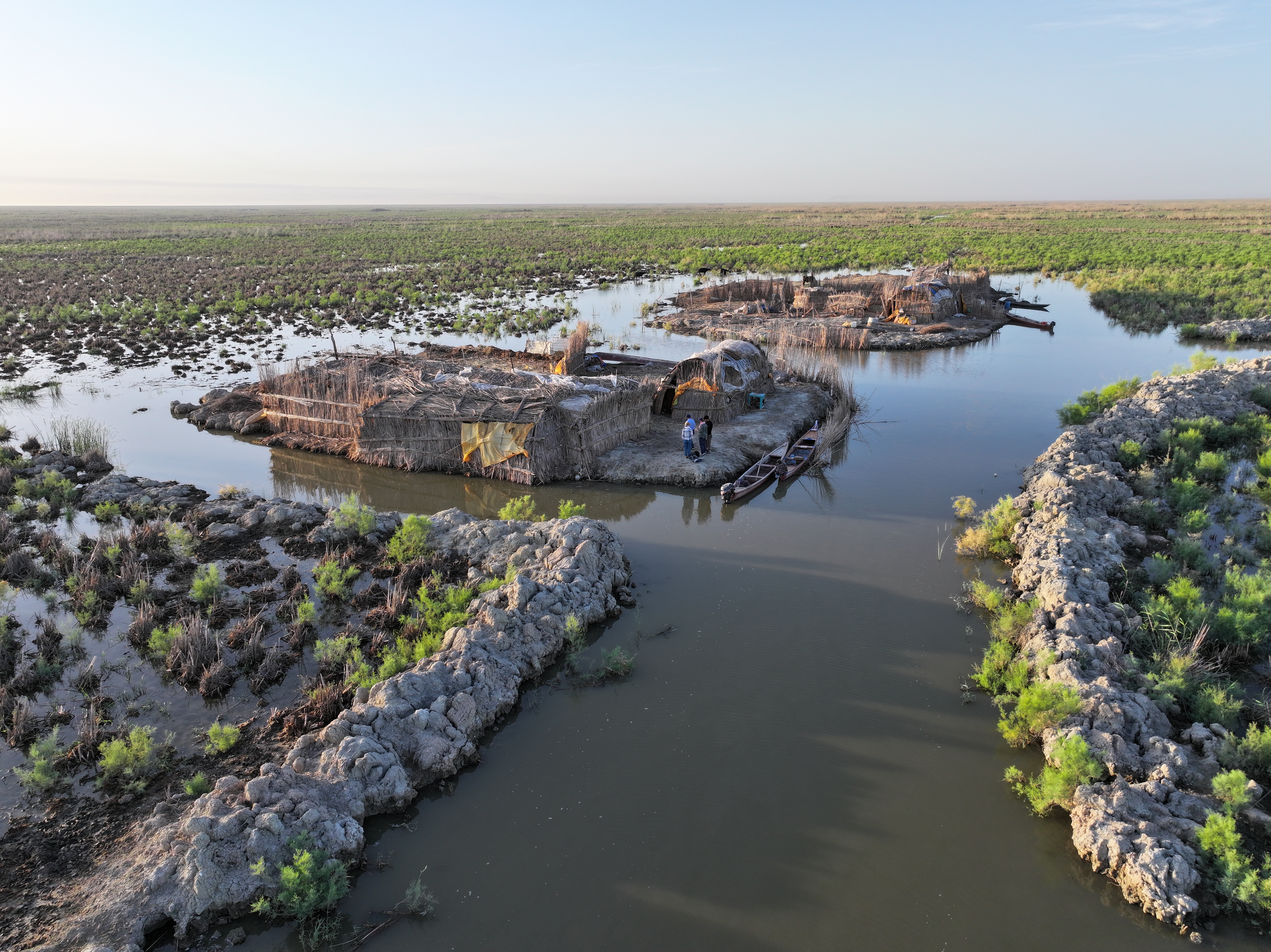
- Drone photos and videos of whole buildings and locations
- Photogrammetry models of whole buildings and key features
- Ethnographic interviews with builders, residents and crafts people
- A short-format documentary
In total the project documented thirty-one reed structures, including twelve mudhifs (tribal halls), six domestic houses, and four buffalo shelters. The construction of a small mudhif was observed and documented. Twelve video interviews with named participants were collected as well as eleven audio-only interviews with anonymous participants.


Mudhifs
The mudhif is a tribal meeting hall built entirely of reeds and is the largest and most famous building typology of the Marsh Arabs of Iraq. A mudhif is a long barrel vault formed of arches made from large bundles of reeds. The two sides of each reed arch are buried deep in the ground and brought together under tension to form a durable, rigid structure. The sides of a mudhif are formed of open latticework screens called mshebbech, which can be covered or uncovered to control airflow through the space. The roof is covered in long bundles of reed called hutta before an insulating layer of overlapping woven reed mats is added on top. Inside the mudhif, the space is open and without furniture, except for a seat at one end for the sheikh or visiting imam. There is always a coffee hearth, usually with a display of traditional coffee pots in various sizes. In the past the hearth was an open fire, but today’s coffee hearths are gas and electric.
The mudhif is a male-only space and women are very rarely admitted. It is where the tribe meets socially on a daily basis, but also more formally to discuss important issues, decide actions and hear grievances. It is also a cultural space, hosting religious events, wedding and funeral gatherings and poetic or literary readings. Traditionally, the door of the mudhif is always open to offer hospitality to any visitor, although in modern times it is often sealed to facilitate the air conditioning. The key ritual of hospitality is the offering of coffee, served in tiny, concentrated measures.
Documentation 3D Photogrammetry
Documentation Drawings